
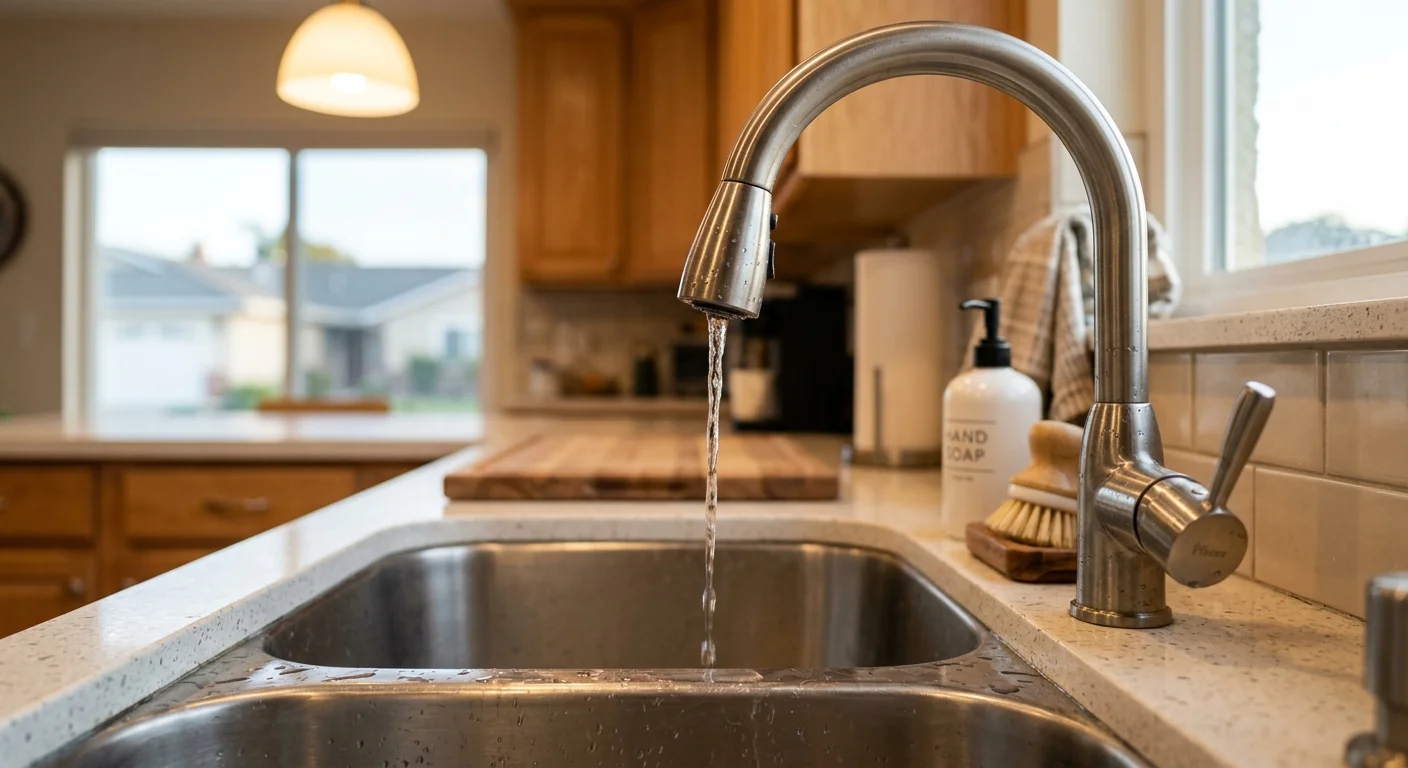
Low water pressure in your whole house? How to diagnose it
Experiencing low water pressure throughout your entire San Diego home? Learn how to diagnose common causes, from PRV issues to hidden leaks and old pipes, with Plumbing Pro San Diego's guide.

There’s nothing quite as frustrating as stepping into the shower only to be greeted by a weak trickle, or struggling to wash dishes with barely enough pressure. If your entire San Diego home is suffering from low water pressure, it’s more than just an inconvenience; it often points to an underlying plumbing issue. Knowing how to diagnose the problem is the first step toward restoring strong, consistent flow.
Whole-house low pressure vs. one-fixture low pressure
Before you dive into a full diagnostic process for your entire plumbing system, it’s crucial to confirm that the low pressure truly affects your whole house. Sometimes, what feels like a widespread issue might actually be isolated. If only one or two faucets or a single shower head have low pressure, the problem is likely localized. This could be due to a clogged aerator, a faulty cartridge in the fixture, or even a partially closed shut-off valve beneath that specific sink or behind the toilet.
However, if you’re experiencing weak flow in all your showers, all your sinks, and even appliances like your washing machine or dishwasher, then you’re definitely looking at a whole-house water pressure problem. This distinction is key because it changes where you need to focus your troubleshooting efforts. A single-fixture issue typically doesn’t require a professional plumber to address your main water line, but a whole-house problem almost always points to a more significant system-wide cause that often needs expert attention. Understanding this difference helps you narrow down potential culprits and decide if you need to roll up your sleeves or pick up the phone.
Check the pressure regulator first
When you’re trying to figure out how to increase water pressure in home systems, the pressure reducing valve (PRV), often called a pressure regulator, is usually the first place to look for whole-house issues. This crucial device is installed on your main water line, typically near your water meter or where the main line enters your house. Its job is to reduce and stabilize the high water pressure coming from the municipal supply down to a safe level for your home’s plumbing, usually between 45 and 60 PSI (pounds per square inch). If the pressure is too high, it can damage pipes and fixtures; if it’s too low, you get that irritating trickle.
PRVs aren’t designed to last forever. Over time, internal components can wear out, fail, or become clogged with sediment, causing them to malfunction. A common symptom of a failing PRV is a sudden or gradual drop in water pressure throughout the entire house. You can test your home’s water pressure with an inexpensive water pressure gauge, which screws onto any outdoor spigot. If your reading is consistently below the optimal 45-60 PSI range, or if the pressure fluctuates erratically, a failing PRV is a strong suspect. While some homeowners are comfortable attempting to adjust or replace a PRV, it’s a critical component of your plumbing system. Incorrect installation or adjustment can lead to further damage or inadequate pressure, making it a job best handled by experienced professionals like those at Plumbing Pro San Diego.
Galvanized pipe corrosion: the silent flow killer
If your home was built before the 1970s, there’s a good chance you might have galvanized steel pipes. While these pipes were once standard, we now know they’re a common culprit for declining water pressure in older San Diego homes. The problem isn’t usually visible from the outside. Galvanized pipes are steel pipes coated with a layer of zinc to prevent rust, but this coating degrades over decades. As the zinc lining corrodes, rust and mineral deposits begin to build up on the inside walls of the pipes.
This internal buildup gradually restricts the diameter of the pipe, much like cholesterol clogs arteries. Over time, the clear path for water shrinks more and more, significantly reducing the volume and pressure of water that can flow through to your fixtures. You might notice the pressure worsening over several years, or it could seem to drop more suddenly if a larger chunk of sediment breaks off and creates a blockage. Because this issue affects the entire piping system, it manifests as whole-house low water pressure. If you suspect galvanized pipes are the problem, a professional inspection is essential. They can confirm the pipe material and assess the extent of the internal corrosion. Often, the long-term solution involves galvanized pipe replacement in San Diego to restore full water flow and improve your home’s plumbing longevity.
Municipal supply issues in San Diego County
Sometimes, the low water pressure in your house isn’t due to anything wrong with your plumbing at all. The problem can originate outside your property line, with the municipal water supply. Water providers like the San Diego County Water Authority work diligently to maintain consistent pressure, but temporary issues can arise that affect entire neighborhoods or even larger areas.
Common causes of municipal supply problems include:
- Main water line breaks: A break in a large pipe in your area can divert water flow and drastically reduce pressure to homes nearby.
- Maintenance work: Local water utilities occasionally perform scheduled maintenance, flushing, or upgrades on their systems, which can temporarily lower pressure. They usually provide advance notice for planned work, so check your local utility’s website or neighborhood alerts.
- High demand: During peak usage times, such as hot summer evenings when everyone is watering their lawns or taking showers, the overall demand on the system can sometimes lead to a temporary dip in pressure across the supply network.
If you suspect a municipal issue, a quick check with your neighbors can confirm if they’re experiencing similar problems. If they are, it’s a good idea to contact your local water utility. They can inform you of any known issues or planned work that might be affecting your area. This step helps rule out external factors before you invest time and money in diagnosing your home’s internal plumbing.
Hidden leaks that drop pressure
While low water pressure can stem from obvious issues, sometimes the culprit is a hidden leak. Even a small, persistent leak can divert enough water from your system to noticeably reduce overall pressure, especially if it’s been going on for a while. These aren’t always the gushing leaks that flood your basement; they can be silent, slow drips behind walls, under floors, or in your slab foundation.
Signs of a hidden leak, beyond just low pressure, might include:
- Unexplained high water bills: If your water usage hasn’t changed but your bill keeps climbing, it’s a major red flag.
- Damp spots or discoloration: Look for dark spots on walls, ceilings, or floors, or areas of unexplained moisture.
- Mold or mildew: Persistent dampness from a leak can lead to mold growth, often accompanied by a musty smell.
- The sound of running water: If you hear water running when no fixtures are in use, it almost certainly indicates a leak.
- Warm spots on floors: If a hot water pipe is leaking under your slab, you might feel a warm spot.
Diagnosing a hidden leak often requires specialized equipment and expertise. Professionals use tools like acoustic leak detectors, thermal imaging cameras, and moisture meters to pinpoint the exact location of the leak without tearing apart your home. If you suspect a hidden leak, it’s wise to call for expert leak detection services. Catching and repairing these leaks promptly is not only crucial for restoring pressure but also for preventing significant structural damage and costly repairs down the line. Our team specializes in precise pipe repair for these scenarios. For more comprehensive information on low water pressure causes, you can also check out our existing guide on low water pressure in San Diego.
When a plumber needs to diagnose it
While some initial troubleshooting steps can be performed by homeowners, many whole-house low water pressure issues require the specialized knowledge and tools of a licensed plumber. If you’ve checked the obvious culprits like your PRV (and aren’t comfortable adjusting or replacing it yourself), confirmed it’s not a municipal issue, and still can’t pinpoint the cause, it’s time to call in the professionals. Complex problems like extensive galvanized pipe corrosion, deep-seated hidden leaks, or issues with your main water line demand expert diagnosis and repair.
A professional plumber can conduct a thorough inspection of your entire plumbing system, perform advanced pressure tests, and use diagnostic equipment to accurately identify the source of the problem. They can then recommend the most effective and durable solutions, ensuring your home’s water pressure is restored safely and efficiently. Don’t let persistent low water pressure disrupt your daily life or lead to more significant damage.
Call us at (000) 000-0000 for a same-day estimate.
Need a Plumber in San Diego?
Licensed, insured, and available 24/7 across San Diego County. Upfront pricing — no surprises.
Call (858) 465-7570Available 24/7 — no voicemail, no answering service