
Last updated: May 11, 2026
Whole-House Repipe in San Diego: Signs and Costs
Considering a whole-house repipe in San Diego? Learn the signs you need one, compare PEX vs. copper costs, and understand the repiping process step by step.

The short answer
- A whole-house repipe replaces all your water supply lines; the clearest signs are rusty water, low pressure throughout the home, and repeated leaks.
- Galvanized steel (pre-1980s) and polybutylene (late-70s to mid-90s) pipes are the usual culprits and worth replacing proactively.
- We recommend PEX for most San Diego homes, affordable, flexible, corrosion-resistant; copper is available for those who want it. PEX installs faster.
- Cost by home size: PEX $5,000 to $25,000-plus, copper $8,000 to $35,000-plus. Most repipes take 2 to 7 days; water stays on most of the time.
- Repipes need permits, inspection, and a licensed plumber. Call (858) 400-4417 and we'll connect you with a plumber.
If you own an older home in San Diego, you might be noticing some unwelcome changes with your plumbing. Rusty water, low water pressure, or frequent leaks aren’t just minor inconveniences; they can signal a larger problem that a whole-house repipe can fix. This is a significant home improvement, and understanding what it entails is the first step toward better, more reliable plumbing.
Rusty water, low pressure, or repeated pipe leaks? Your home may need a full repipe. The plumbers we connect you with replace galvanized pipes with PEX or copper in 1-3 days. Whole-house repipe in San Diego or call (858) 400-4417.
What a repipe is and the signs your San Diego home needs one
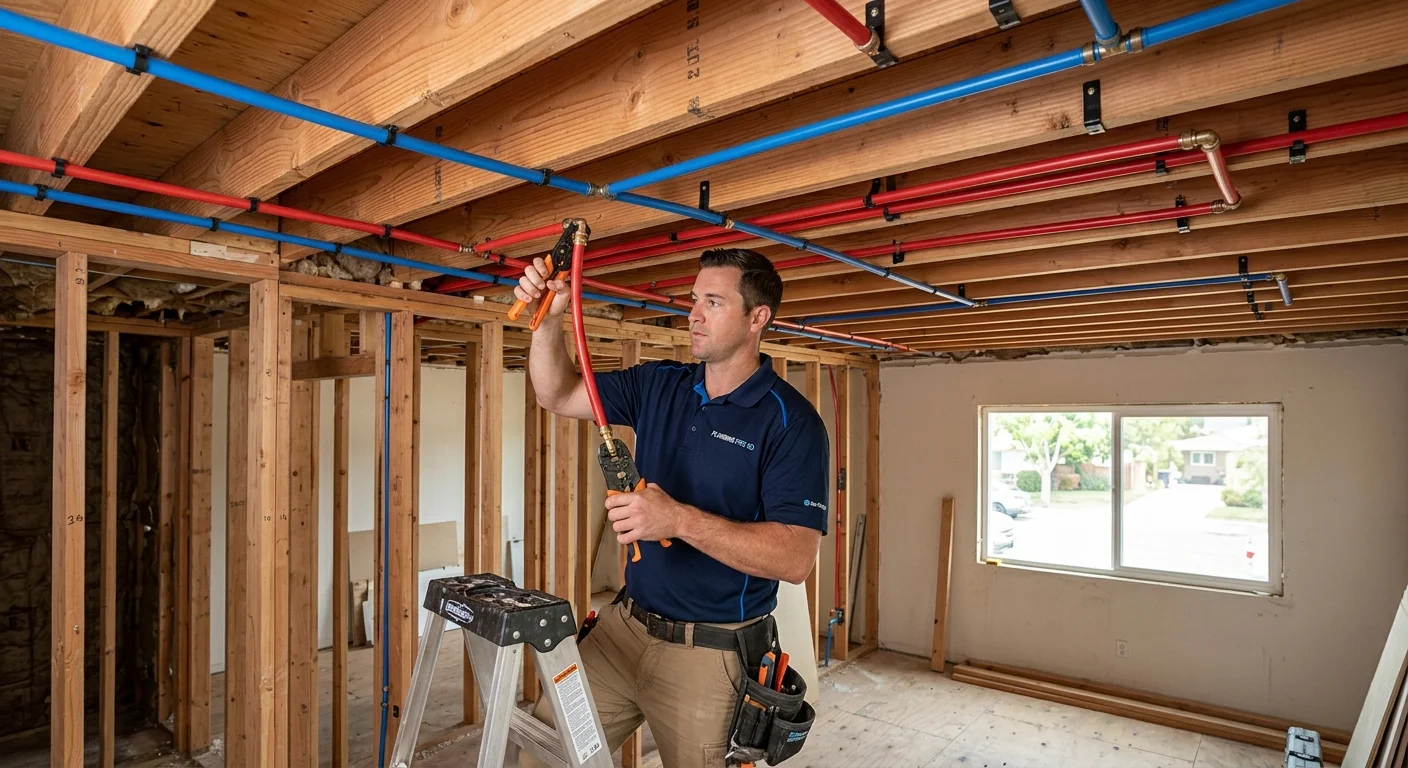
A whole-house repipe involves replacing your home’s existing water supply lines with new, durable piping. This isn’t just about fixing a single leak; it’s about upgrading your entire plumbing system to ensure clean water flow, consistent pressure, and long-term reliability. It’s an investment that pays off in home comfort and value.
If you’re trying to figure out whether you need a whole-house repipe or whether a targeted fix will do, several key indicators suggest your San Diego home could benefit from one:
- Rusty or discolored water: If your tap water frequently appears yellow, brown, or red, especially after not running for a while, it’s usually a sign of corroding galvanized steel pipes. These pipes rust from the inside out, contaminating your water.
- Low water pressure everywhere: While a single faucet with low pressure might be a localized issue, if you experience consistently low pressure throughout your entire home, or if pressure drops significantly when multiple fixtures are in use, it often points to widespread corrosion or mineral buildup in your pipes. This is common in older homes where the original pipes are narrowing. Low pressure is one of the clearest repipe symptoms, so read our guide on low water pressure in San Diego to pin down the cause first.
- Repeated leaks: A single leak can be repaired, but if you’re experiencing frequent pinhole leaks or slab leaks in different areas, it’s a strong indication that your piping system is failing. Chasing these leaks with continuous pipe repair can be more expensive in the long run than a comprehensive repipe.
- Visible pipe issues: If you have exposed pipes in your basement, crawl space, or attic and you see corrosion, bulges, or excessive repairs, it’s a clear sign of trouble.
- Galvanized or polybutylene pipes: Many homes built decades ago in San Diego may have galvanized steel pipes, which are notorious for corroding and restricting water flow over time. Homes built decades ago might have polybutylene piping, which is prone to cracking and failing due to chemical reactions with common water disinfectants. If your home has these materials, a proactive repipe is highly recommended to avoid future headaches. We have a detailed post about galvanized pipe replacement in San Diego if you want to dive deeper.
PEX vs. copper for a San Diego repipe, pros, cons, and what we recommend
When considering a whole-house repipe, the biggest decision is often the type of piping material. In San Diego, the choice usually comes down to PEX (cross-linked polyethylene) or copper. Both are excellent materials, but they have distinct characteristics. We’ve also got a full comparison of PEX vs copper pipes on our site for more in-depth reading.
PEX piping
Pros:
- Cost-effective: PEX is generally less expensive than copper, both in material cost and labor, because it’s easier and quicker to install. It comes in long, flexible rolls, requiring fewer fittings.
- Flexibility: Its flexibility means it can snake around obstacles, often with less need to cut into walls. This can significantly reduce the amount of drywall repair needed after the job.
- Corrosion resistant: PEX doesn’t corrode, scale, or pit like metal pipes, which means cleaner water and consistent flow over its lifespan.
- Freeze resistant: PEX can expand and contract, making it more resistant to freeze damage than rigid pipes, a minor but still relevant benefit in San Diego’s cooler months.
- Quiet: PEX is known for reducing water noise compared to copper.
Cons:
- UV sensitivity: PEX can degrade in direct sunlight, so it’s not suitable for outdoor use unless properly shielded.
- Appearance: While usually hidden behind walls, some homeowners prefer the traditional look of copper for exposed pipes.
- Pest damage: In rare cases, rodents can chew through PEX, although this is uncommon in sealed walls.
Copper piping
Pros:
- Durability and longevity: Copper has a proven track record, often lasting 50-70 years or more. It’s incredibly strong and resistant to UV light.
- Recyclable: Copper is a highly recyclable material, appealing to environmentally conscious homeowners.
- Anti-microbial: Copper naturally inhibits bacterial growth, contributing to cleaner water.
- Appearance: For exposed pipes, copper offers a classic, appealing aesthetic.
Cons:
- Higher cost: Copper materials and installation are typically more expensive than PEX.
- Rigidity: Its rigidity means more fittings are required, which increases labor time and potential leak points if not installed perfectly.
- Corrosion: While less prone to corrosion than galvanized steel, copper can still corrode over time, especially with certain water chemistries.
- Theft risk: Unfortunately, exposed copper can be a target for metal theft, though this is rare in residential settings.
What we recommend: For most San Diego homeowners, we recommend PEX for whole-house repipes. Its combination of affordability, durability, and ease of installation makes it an excellent value. It performs exceptionally well in our local water conditions. However, if a homeowner specifically requests copper for its traditional appeal or anti-microbial properties, the plumbers we connect you with are fully equipped and experienced to install it to the highest standards.
What a whole-house repipe costs in San Diego
The cost of a whole-house repipe in San Diego can vary significantly based on several factors, primarily the size of your home and the type of piping material chosen. It’s a substantial investment, but one that eliminates ongoing plumbing headaches and adds significant value and peace of mind. While we can’t give an exact quote without seeing your home, here are general ranges for a standard repipe:
Factors influencing cost:
- Home size: More square footage and more bathrooms naturally mean more piping, labor, and materials.
- Number of fixtures: Homes with multiple bathrooms, kitchens, and laundry rooms will have more connections to replace.
- Accessibility: If pipes are easily accessible (e.g., in an unfinished basement or attic), labor costs may be lower. If walls, floors, or concrete slabs need extensive cutting and patching, the cost increases.
- Pipe material: As discussed, PEX is generally more affordable than copper.
- Permit fees: San Diego County requires permits for repiping, which add to the overall cost but ensure the work meets local codes.
- Drywall repair/restoration: The cost of patching and finishing drywall is often a separate line item from the plumbing work itself. Some plumbers include basic patching, while others leave cosmetic finishing to the homeowner or a contractor.
Estimated cost ranges (for a typical San Diego home):
- Small homes (1,000-1,500 sq ft, 1-2 baths):
- PEX: $5,000 - $12,000
- Copper: $8,000 - $18,000
- Medium homes (1,500-2,500 sq ft, 2-3 baths):
- PEX: $10,000 - $18,000
- Copper: $15,000 - $25,000
- Large homes (2,500+ sq ft, 3+ baths):
- PEX: $15,000 - $25,000+
- Copper: $20,000 - $35,000+
These figures are estimates and include labor, materials, and permit costs for the plumbing itself. They may not include extensive wall repair, painting, or other cosmetic finishes. A detailed, on-site estimate will give you the most accurate pricing for your specific home, with no hidden surprises.
How long it takes and what the disruption actually looks like
A whole-house repipe might sound daunting, but modern techniques make the process far less disruptive than you might imagine. The plumbers we connect you with aim to complete most residential repipes efficiently, minimizing the impact on your daily life.
Timeline:
- Small homes (1-2 bathrooms): Typically 2-4 days.
- Medium to large homes (3+ bathrooms): Generally 4-7 days.
- Very large or complex homes: Could take 7-10 days or more.
The exact duration depends on the home’s size, accessibility of existing pipes, the chosen material (PEX is faster to install than copper), and any unforeseen issues.
What to expect regarding disruption:
- Drywall access: This is usually the biggest concern for homeowners. To access your old pipes and run new ones, small, strategic cuts will be made in your drywall, primarily in ceilings, walls near fixtures, and utility areas. A good plumber works carefully to minimize these cuts and keep them as neat as possible, running new lines the least invasive way, often through attics, crawl spaces, or existing wall cavities where possible.
- Water shutoff: Most plumbers aim to keep your water on for as much of the project as possible. The primary water shutoff typically occurs on the final day, or for a few hours at a time, when the new system connects to your main water supply and fixtures. A good plumber communicates these times clearly so you can prepare. It’s often helpful to fill some buckets of water for flushing toilets or essential needs during these brief periods. You can also refer to our guide on how to find your main water shut-off valve to be prepared.
- Noise: Expect some noise during the day from pipe installation, drilling, and drywall work. Most crews schedule work during standard daytime hours to avoid disturbing neighbors and allow for quiet evenings.
- Dust and debris: Repiping generates some dust from drywall cutting and pipe removal. A professional crew uses drop cloths and takes measures to contain debris and clean up the work area thoroughly at the end of each day.
- Daily life: While the work is underway, you can typically remain in your home. Plumbers generally ensure you have access to at least one working toilet for most of the project, and cover furniture and belongings in work areas to protect them.
Before starting, the plumber should provide a clear project schedule and discuss all aspects of the process, including where cuts will be made and when water will be affected, for a smooth, efficient repipe with minimal stress for you.
Permits, inspection, and why a licensed plumber matters for a repipe
A whole-house repipe is not a DIY project. It’s a complex undertaking that requires specialized knowledge, adherence to strict safety standards, and compliance with local building codes. In San Diego, as in all of California, obtaining the necessary permits and undergoing inspections are crucial steps in the process.
Permits and inspections
Any significant plumbing alteration, including a full repipe, requires a permit from the local building department. This isn’t just bureaucracy; it’s a vital safeguard. The permitting process ensures:
- Safety: The work will be performed according to current plumbing codes, protecting your home from potential hazards like leaks, water damage, and contaminated water.
- Quality: Inspections at various stages (rough-in, final) verify that the installation meets approved standards and that the materials used are appropriate.
- Home value: Permitted work is documented, which is important for future home sales. Unauthorized work can create legal and financial problems down the line.
The licensed plumber handles the permitting. They file the paperwork, schedule inspections, and ensure all work is completed to code, providing you with peace of mind.
Why a licensed plumber matters
Working with a licensed, insured, and reputable plumbing company like Plumbing Pro San Diego is non-negotiable for a repipe project. Here’s why:
- Expertise: Licensed plumbers have undergone rigorous training and testing to demonstrate their knowledge of plumbing systems, local codes, and safety protocols. They understand the intricacies of pipe sizing, pressure regulation, and proper connections.
- Insurance and bonding: A licensed plumber carries liability insurance, protecting you from financial responsibility in case of accidents or damage during the project. They’re also often bonded, which offers additional financial protection if the work isn’t completed as agreed.
- Code compliance: An experienced, licensed plumber knows San Diego’s specific plumbing codes inside and out. They’ll ensure your repipe passes inspection the first time, avoiding costly rework and delays. This is especially important for water-related projects, where even minor errors can lead to major damage or health risks.
- Warranty: Reputable plumbers stand by their work. Ask the plumber what they warrant on parts and on labor, and get the terms in writing.
- Problem-solving: Older homes often present unexpected challenges. A licensed plumber has the experience to diagnose and effectively solve issues that arise during a repipe, ensuring a smooth project flow.
You can always check the license status of any contractor in California through the Contractors State License Board (CSLB). This transparency helps ensure you’re hiring a qualified professional. We discuss more about why a licensed plumber matters in San Diego on our blog.
Older San Diego neighborhoods and the pipe problems we see most
San Diego is a city rich in history, and many of its most charming neighborhoods feature homes built decades ago. While these homes offer character, they often come with aging plumbing systems that are past their prime. The plumbers we connect you with have worked extensively across the county and have a deep understanding of the unique pipe problems prevalent in older San Diego communities.
We frequently encounter homes in areas like North Park, South Park, Kensington, Normal Heights, Golden Hill, Point Loma, and parts of La Jolla and Mission Hills that were built decades ago. Many of these homes originally featured:
- Galvanized steel pipes: This is by far the most common culprit. Installed widely until the older, galvanized pipes are steel pipes coated with zinc to prevent rust. Over time, this zinc coating wears away, and the steel rusts from the inside out. This leads to reduced water flow due to corrosion buildup, rusty-looking water, and eventually, leaks as the pipe walls weaken. The plumbers we connect you with have replaced countless galvanized systems that are essentially choked off with rust and sediment.
- Cast iron drain lines: While a repipe focuses on supply lines, many older homes also have original cast iron drain lines. These can corrode and crack over time, leading to issues like sewer smell in the house or slow drains, though they are usually separate from a water supply repipe.
- Aging copper systems: Even original copper pipes, while generally more durable than galvanized, have a lifespan. In some older San Diego homes, copper systems are 50-70 years old and beginning to show signs of wear, such as thinning walls leading to pinhole leaks. The unique mineral content of San Diego’s water supply can also contribute to this long-term corrosion.
- Polybutylene pipes: Less common in the very oldest homes, but a significant issue for those built between the late 1970s and mid-1990s. This grey or blue plastic piping was initially seen as a cost-effective alternative but proved highly susceptible to damage from common water disinfectants like chlorine, leading to brittleness and catastrophic failures. While less prevalent in our oldest districts, it’s a critical concern in some newer areas.
If you live in one of San Diego’s established neighborhoods and are experiencing consistent plumbing issues, there’s a good chance your home’s original pipes are telling you it’s time for an upgrade. A repipe addresses these underlying infrastructure problems, giving your historic home a modern, reliable water delivery system for decades to come.
How to get a repipe estimate through Plumbing Pro San Diego
Considering a whole-house repipe is a big decision, and getting an accurate, detailed estimate is your essential next step. Plumbing Pro San Diego makes the process straightforward and transparent, with the goal of giving you all the information you need to make an informed choice for your home.
Here’s how to get a repipe estimate:
- Contact us: You can reach out by phone or through our website’s contact form. Let us know you’re interested in a whole-house repipe.
- Schedule an on-site consultation: We’ll connect you with an experienced repipe plumber for a convenient time to visit your San Diego home. This visit is crucial for an accurate estimate, as every home’s layout, pipe accessibility, and specific needs are unique.
- Comprehensive assessment: During the consultation, the plumber will:
- Inspect your current plumbing system, noting pipe materials (e.g., galvanized, polybutylene, old copper) and their condition.
- Assess the layout of your home, including the number of bathrooms, kitchen, laundry room, and other water-using fixtures.
- Identify the most efficient and least disruptive routes for new piping.
- Discuss your preferences, including PEX versus copper options, and answer any questions you have.
- Detailed proposal: Based on the assessment, the plumber will provide you with a comprehensive, written estimate. This proposal will clearly outline:
- The scope of work, detailing exactly what will be replaced.
- The recommended piping material and why.
- A breakdown of costs, including materials, labor, and permit fees.
- An estimated project timeline.
- The plumber’s warranty terms, in writing. No hidden fees, so you’ll understand every aspect of the investment.
- Answer your questions: A good plumber takes the time to walk you through the proposal, explain everything, and answer any remaining questions you might have about the process, materials, or timeline.
Plumbing Pro San Diego is here to connect you with plumbers who guide you through every step, so you feel confident and comfortable with your repipe decision throughout San Diego County.
When to call us
If you’re noticing consistent signs of plumbing trouble like rusty water, low pressure, or recurring leaks, it’s time for a professional assessment. A whole-house repipe is a significant undertaking that requires the expertise of a licensed and experienced plumber to ensure safety, code compliance, and lasting quality. Call us at (858) 400-4417 and we’ll connect you with a plumber.
Areas this guide covers
We connect homeowners with licensed plumbers in these San Diego County communities.
Keep reading
Need a Plumber in San Diego?
Licensed, insured plumbers, ready across San Diego County. The plumber quotes you before any work starts.
Call (858) 400-4417Call any time, day or night, anywhere in San Diego County