
Water leaking below the bathtub: drain or supply line?
Learn how leak timing can help distinguish a bathtub overflow drain problem from a supply line issue, plus when to request a San Diego plumbing referral.
Water showing beneath a bathtub doesn’t identify its source by itself. Note whether it appears while filling, near the overflow opening, during draining, or only during shower use. That sequence gives a plumber a cleaner starting point, but it isn’t a diagnosis.
How the timing of the leak narrows the source
Start with what was happening when you first saw water. A plumber will want more than “the bathtub leaks.” The useful detail is the exact stage of use.
Write down whether the water appears:
- While the tub is filling
- After filling stops, with the drain still closed
- When the water reaches the overflow opening
- Only after someone pulls the drain stopper
- During shower use, but not during a bath
- While the bathtub hasn’t been used
Don’t treat any single pattern as proof. Several parts can be exposed to water during one test. For example, filling the tub involves the supply side, tub spout, basin, drain flange, and stopper area. Draining then adds the waste assembly and connected piping to the inspection list.
Water appearing when the level reaches the overflow opening gives the contractor one focused clue. Ask for an inspection of the bathtub overflow drain and its nearby connections. Water appearing only during drain-down creates a different testing sequence. Moisture present while the fixture remains unused may lead the plumber to investigate piping beyond the drain assembly.
Stop a test once you’ve documented the pattern. You don’t need to reproduce a visible leak repeatedly. Record the water level, fixture setting, and time the moisture appeared. Photos of the tub and the area below can also help.
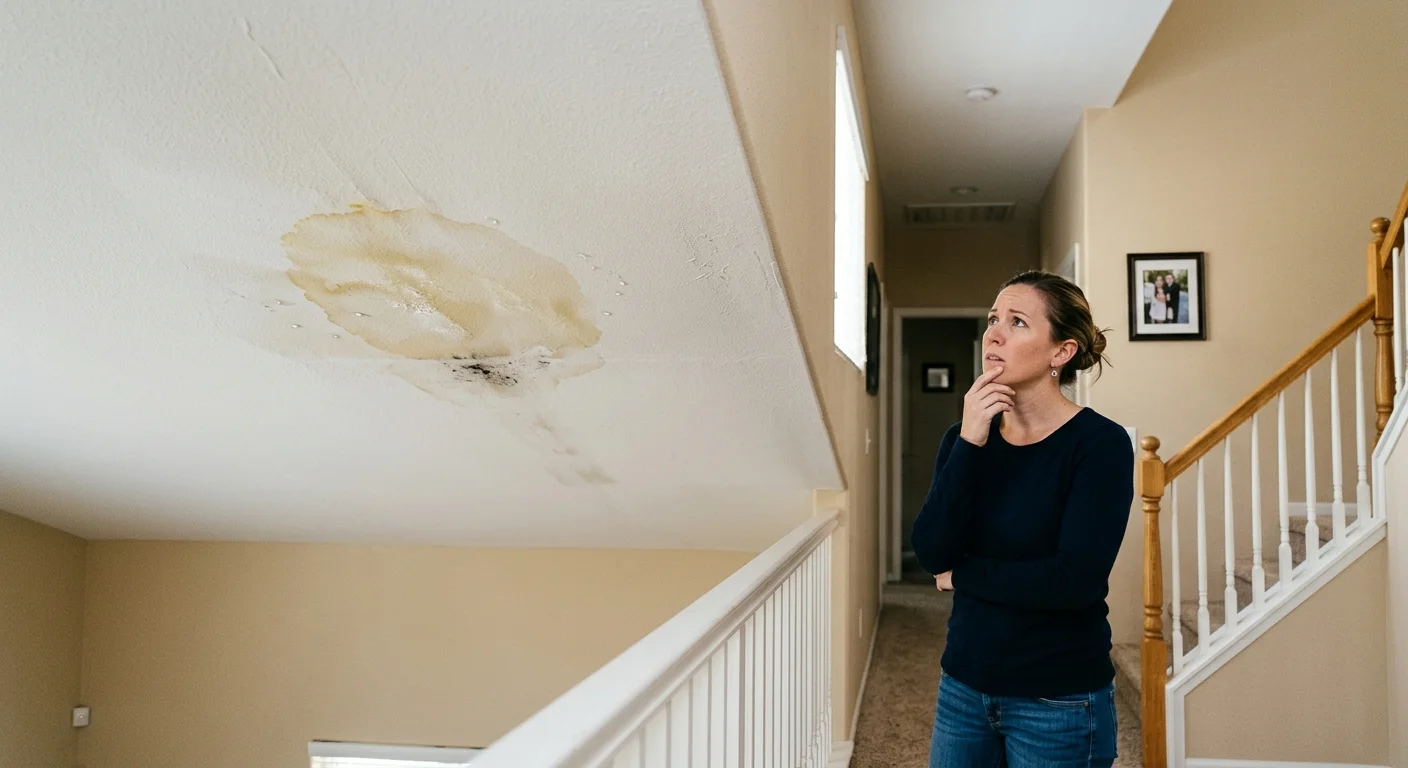
If the water is coming through a ceiling rather than an accessible panel, our broader guide to water dripping from a ceiling explains how to describe that separate symptom.
Common leak points around the tub drain and overflow
The supplied claims ledger doesn’t confirm which bathtub component fails most often. No verified San Diego source ranks these failures by frequency. A contractor should inspect the actual fixture before naming the cause.
For a suspected bathtub overflow leak, ask the plumber to evaluate these areas:
- The overflow cover and the opening behind it
- The sealing surface around the overflow connection
- The overflow tube and its connections
- The drain flange inside the bathtub
- The waste-and-overflow assembly beneath the tub
- Accessible joints leading toward the trap
- The tub spout, valve area, and nearby supply connections
- The shower surround, curtain, door, and tub edge
That list isn’t a diagnosis. It helps prevent the inspection from stopping at the first visible stain. A wet area below the bathtub doesn’t confirm which connection released the water.
Look at how high the water was inside the tub. If moisture appears only after water reaches the overflow opening, include that fact in your service request. If it starts with a shallow bath, say that instead. If baths cause no visible problem but showers do, mention where the spray lands and whether water collects along the tub edge.
San Diego drinking water averages about 16 grains per gallon, or 276 parts per million. The City says hardness can vary with location and demand. Mineral residue around tub trim may therefore be visible, but residue alone doesn’t identify an active leak. It also doesn’t show whether water came from the drain, supply piping, or normal splashing.
A bathroom plumbing referral can connect you with an independent plumber who can test the specific fixture.
How drain leaks differ from supply line leaks
A drain-side problem involves the parts that receive water from the tub and carry it away. A supply-side problem involves the piping and controls that deliver water to the fixture. Those definitions help organize the inspection, but symptoms can overlap.
If water appears only when the tub drains, tell the plumber that the leak wasn’t visible while filling or holding water. That observation may focus initial testing on the drain flange, waste-and-overflow assembly, trap, or connected drain piping.
If water appears while the faucet runs, the pattern is less isolated. The plumber may need to check the supply connections, valve area, tub spout, and parts of the drain path receiving water. If moisture continues while the bathtub remains unused, report how long the fixture had been off before you noticed it.
Shower-only leaks deserve their own description. Water may be reaching areas that stay dry during a bath. Tell the contractor whether the showerhead, tub spout, or both were used. Note whether water gathered near a door track, curtain edge, wall corner, or trim opening.
A plumber may test these conditions separately rather than relying on one full bath. Controlled testing can help connect the visible moisture to a specific fixture action. The final recommendation should follow the inspection, not a symptom checklist.
For moisture that can’t be traced through visible access points, ask about leak detection services. Describe the problem as “water leaking below the bathtub,” then give the timing details. Avoid announcing that it’s definitely a drain or supply leak before the system has been examined.
What a plumber may inspect before recommending repair
The inspection should begin with your observations. The plumber may ask when the leak started, which controls were used, how high the water was, and whether anyone had recently worked near the fixture. Give exact answers when you can. “It appeared as soon as draining began” is more useful than “it leaked after a bath.”
The contractor may then inspect accessible portions of the bathtub plumbing. That could include the overflow opening, drain flange, visible waste connections, valve area, and any existing access panel. If the ceiling below is already open, tell the plumber before the appointment. Don’t promise or request demolition before the contractor identifies what access is needed.
Testing may separate the fixture into stages:
- Inspecting the dry tub and visible trim
- Running the faucet without raising water to the overflow
- Holding water below the overflow opening
- Testing the overflow area
- Releasing water through the drain
- Checking shower use separately
The exact order depends on access and existing conditions. Not every inspection requires every step.
The supplied verified sources don’t establish a standard repair price or labor time for bathtub drain leaks. Those details vary by access, materials, condition, and proposed scope. Ask the contractor to identify the suspected source and explain the repair before you approve it.
The provided City of San Diego permitting source covers water heaters, not bathtub drain repairs. It doesn’t confirm whether your specific bathtub project needs a permit. Ask the contractor and the authority serving the property before work begins.
California homeowners can verify a contractor’s status and C-36 classification through the CSLB license lookup. The database also provides bond and workers’ compensation information.
How to request a bathroom plumbing referral
Lead with the symptom and timing when you contact us. Say where the water appears and what the bathtub was doing at that moment. Include the property’s city because San Diego County contains several separate local jurisdictions.
A useful request might read:
Water appears on the ceiling below the upstairs bathtub. It starts when the bath reaches the overflow opening, but not during a shallow fill. I need the overflow and drain assembly inspected.
Change that wording to match what you actually observed. Don’t add a diagnosis you haven’t confirmed.
Include these details with the request:
- The property city and neighborhood
- Whether the home, condo, or apartment has an upstairs bathroom
- Whether the leak occurs while filling, holding, draining, or showering
- The approximate water level when moisture first appears
- Whether the bathtub is unused when the leak appears
- Photos of the tub, overflow plate, drain, and area below
- Any available access panel location
- Whether another fixture was running at the same time
If the property is in Chula Vista, our Chula Vista plumber referral page provides a local starting point. The same timing notes remain important in City Heights, National City, La Mesa, El Cajon, Encinitas, Oceanside, and other San Diego County communities.
Plumbing Pro San Diego is a referral service. We connect homeowners with independent plumbers rather than performing the work ourselves. The homeowner contracts with and pays the matched plumber directly.
When to call us
Request a licensed plumber when the leak source remains uncertain, access is limited, or the bathtub overflow drain needs repair. Call us at (858) 400-4417 and we’ll connect you with a licensed plumber.
Areas this guide covers
We connect homeowners with licensed plumbers in these San Diego County communities.
Keep reading
Need a Plumber in San Diego?
Licensed, insured plumbers, ready across San Diego County. The plumber quotes you before any work starts.
Call (858) 400-4417Call any time, day or night, anywhere in San Diego County